

The Hidden Key to Better Sleep: Your Environment
The Hidden Key to Better Sleep: Your Environment
Sleep isn’t just something you do; it’s something your body responds to.
And one of the most overlooked influences on your sleep quality isn’t your routine… It’s your environment.
At Sound Sleep Consultants, we often work with individuals who have optimized their schedules, nutrition, and stress levels yet still struggle to achieve deep, restorative sleep.
The missing piece?
Their sleep environment isn’t aligned with how the body is designed to rest.
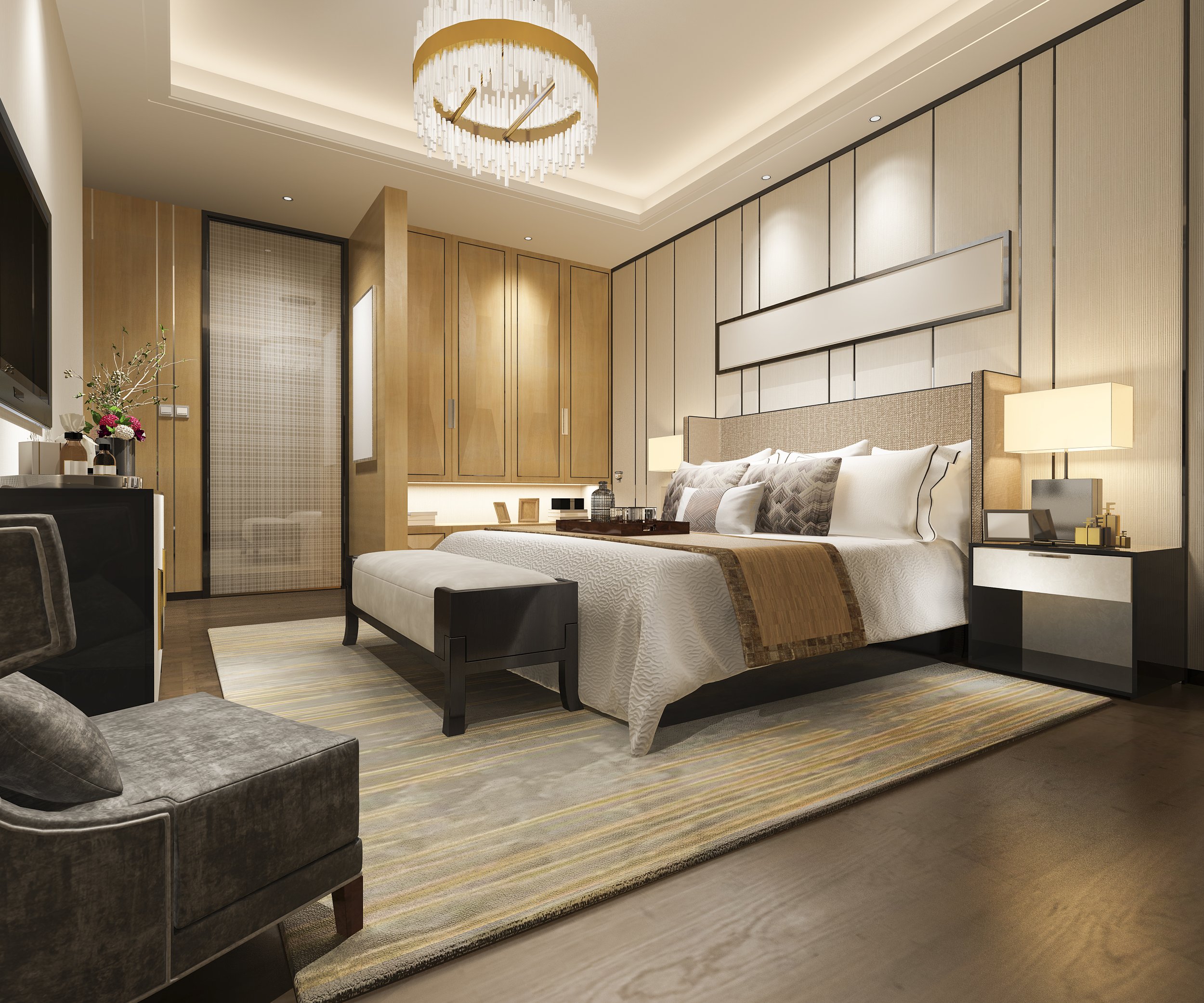
Your bedroom should function as a sleep sanctuary, a space that signals safety, calm, and physiological readiness for deep recovery. Think of it as your personal “sleep cave": cool, dark, quiet, and free from disruption.
When you get this right, everything changes.
Darkness Is Non-Negotiable: Light Is Disrupting Your Sleep
Even the smallest amount of light can interfere with melatonin production, the hormone responsible for initiating sleep.
Modern environments are filled with subtle light pollution:
Streetlights through windows
LED indicators from electronics
Early sunrise exposure
This is the scenario where blackout curtains or a high-quality sleep mask become essential, not optional.
Creating true darkness allows your brain to fully shift into sleep mode, which supports:
Faster sleep onset
Deeper REM cycles
Fewer nighttime awakenings
For clients seeking a more refined solution, we often recommend layering both: blackout curtains for environmental control and a sleep mask for precision.
Darkness isn’t just helpful. It’s biological.
Air Quality: The Invisible Sleep Disruptor
You can’t see it, but your body feels it.
Air quality directly affects how well you sleep, influencing breathing, inflammation, and overall nervous system regulation.
A premium air purifier, such as one from Molekule, can significantly elevate your sleep environment by removing:
Allergens
Pollutants
Airborne irritants
Cleaner air supports deeper, uninterrupted breathing, which is essential for maintaining stable sleep cycles.
For individuals dealing with congestion, allergies, or subtle breathing disruptions, this single upgrade can make a noticeable difference almost immediately.
Grounding the Body: A Subtle but Powerful Shift
While often overlooked in conventional sleep advice, grounding (also known as earthing) is gaining attention in both holistic and clinical spaces.
Using a grounding mat or sheet like those from Earthing helps reconnect the body to the Earth’s natural electrical charge.
Emerging research suggests grounding may:
Reduce inflammation
Lower cortisol levels
Support nervous system balance
All of which contribute to a calmer, more sleep-ready state.
For high-performing individuals who carry a constant mental and physical load, this subtle shift can create a noticeable sense of calm before sleep.
Light Timing: Train Your Brain When to Sleep
It’s not just about eliminating light; it’s about using it intentionally.
Your brain relies on light cues to regulate your circadian rhythm. That means your environment should support:
Bright, natural light during the day
Soft, warm light in the evening
A device like the Hatch Restore serves as both a sleep cue and a wake-up guide, using gradual light transitions to help align your internal clock.
Instead of abrupt alarms or harsh lighting, you’re waking and sleeping in rhythm with your biology.
This is especially valuable for:
Busy professionals
Frequent travelers
Anyone experiencing inconsistent sleep patterns
Temperature, Texture, and Sensory Calm
Your body needs a slight drop in core temperature to initiate sleep. If your room is too warm, it can delay or disrupt this process.
An optimal sleep environment should feel:
Cool (around 65–68°F)
Breathable
Minimal in sensory stimulation
Layering your environment with the right materials, feeling cooling sheets, breathable fabrics, and minimal clutter signals to your nervous system that it’s safe to power down.
Even small sensory details matter:
The feel of your bedding
The quietness of the room
The absence of visual distractions
Luxury sleep isn’t about excess; it’s about precision.
Designing a Sleep Environment That Works With You
Most people try to force sleep.
But sleep doesn’t respond to force; it responds to signals.
When your environment consistently communicates:
Darkness
Calm
Safety
Rhythm
Your body follows.
This is where true sleep optimization begins, not with more effort, but with better alignment.
Elevate Your Sleep, Elevate Your Life
At Sound Sleep Consultants, we take a concierge-level approach to sleep, guiding clients through clinical and environmental factors that influence rest.
Because when your sleep improves, everything improves:
Focus
Energy
Longevity
Performance
If your sleep still feels inconsistent, fragmented, or unrefreshing, your environment may be the missing link.
📞 (760) 625-5734
Your sleep space should work for you, not against you.